Over the past decade, digital payment systems have completely transformed the way we manage money, make purchases, and transfer funds. From mobile wallets to cryptocurrency, the shift toward digital finance is reshaping the financial landscape. As technology continues to advance, the future of digital payment systems looks even more promising, with innovations aimed at improving speed, security, and user experience.
The Rise of Mobile Payments
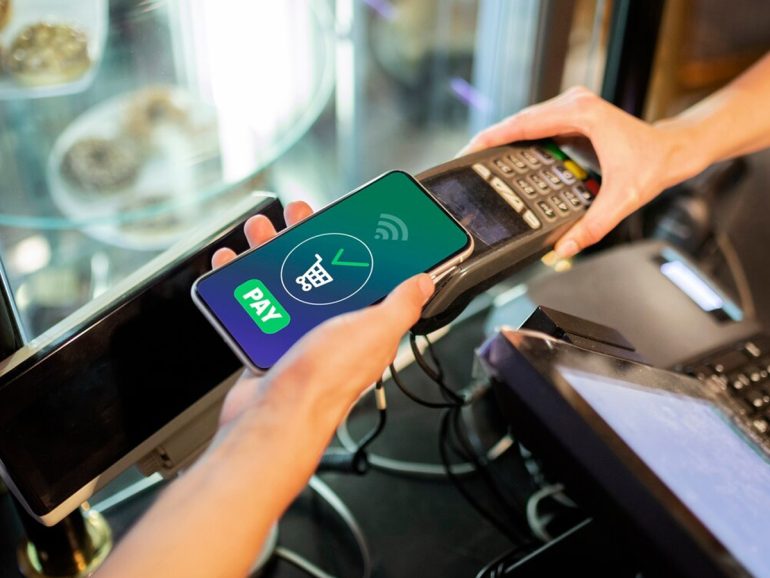
One of the most significant changes in the payment landscape is the widespread adoption of mobile payment systems. Services like Apple Pay, Google Pay, and Samsung Pay have made it easier than ever to make purchases using our smartphones. With just a tap, consumers can pay for goods and services, transfer funds, or even split bills with friends. This convenience has led to the rapid growth of mobile payments, especially in urban areas where people are always on the go.
Mobile payment platforms have gained popularity for their security features, including encryption and tokenization, which protect sensitive information. By using biometric authentication, such as fingerprint recognition or facial recognition, these services ensure that transactions are secure and easy to complete. The ability to make purchases without needing a physical credit card or cash has made mobile payments a popular choice for millions of consumers worldwide.
The Role of Cryptocurrency in Digital Payments

Another game-changing development in digital payments is the rise of cryptocurrency. Bitcoin, Ethereum, and other digital currencies have revolutionized the way people think about money. With decentralized networks and blockchain technology, cryptocurrencies offer a new way to transfer value without relying on traditional banks or financial institutions.
Cryptocurrency transactions are known for their security, transparency, and speed. Because they operate on blockchain technology, transactions are recorded in a distributed ledger, making it nearly impossible for them to be altered or tampered with. This has made cryptocurrencies an appealing option for international transactions, where traditional money transfers can take days and incur high fees.
As more companies and retailers begin to accept cryptocurrency as a form of payment, the use of digital currencies is expected to grow. With its promise of lower transaction costs and faster processing times, cryptocurrency could become a mainstream option for consumers and businesses alike in the coming years.
The Shift Toward Contactless Payments
Another important trend in the digital payment space is the rise of contactless payments. With the ongoing global pandemic, consumers have become increasingly wary of physical contact during transactions. Contactless payment systems, which use Near Field Communication (NFC) technology, allow consumers to make payments simply by tapping their card or smartphone on a payment terminal.
Contactless payments offer a faster, safer, and more hygienic way to pay for goods and services. They eliminate the need to physically hand over cash or swipe a card, reducing the risk of germ transmission. As consumers become more accustomed to this payment method, it’s likely that contactless payments will continue to grow in popularity, especially in markets that value convenience and speed.
Blockchain Technology and Its Impact on Digital Payments
Blockchain technology is one of the most significant innovations behind digital payments and cryptocurrencies. At its core, blockchain is a decentralized, distributed ledger that records transactions across multiple computers. This technology ensures that transactions are secure, transparent, and immutable.
In the world of digital payments, blockchain is being used to create more secure and efficient payment systems. By eliminating the need for intermediaries like banks, blockchain reduces transaction costs and processing times, making it a highly attractive option for businesses and consumers alike.
StreamAnalyst, for example, uses blockchain-based solutions to enhance the security and transparency of financial transactions in streaming platforms. By incorporating blockchain into digital payment systems, businesses can offer faster, more secure transactions, ultimately improving customer trust and satisfaction.
In addition to cryptocurrencies, blockchain can be used to create more secure digital wallets and peer-to-peer payment platforms. As the technology matures, it’s likely to become a cornerstone of the digital payment ecosystem.
The Future of Digital Payment Security
As digital payments become more widespread, security remains a top concern. In the past, credit card fraud and data breaches were significant threats to the security of online transactions. Today, however, advanced encryption techniques, two-factor authentication, and biometric verification are helping to secure digital payments.
The future of payment security is likely to involve even more sophisticated methods of authentication. For example, biometric verification—using facial recognition, fingerprints, or even voice recognition—will become more common in digital payment systems. These methods are more secure than traditional passwords or PIN codes, offering an extra layer of protection for users.
In addition, advancements in AI and machine learning will help detect fraud and suspicious activity in real time. By analyzing patterns in transaction data, AI-powered systems can flag potentially fraudulent transactions before they are completed, reducing the risk of financial loss.
The Role of Governments and Regulators
As digital payments continue to grow, governments and regulatory bodies will play an essential role in shaping the future of the industry. They must strike a balance between promoting innovation and ensuring consumer protection. Regulations around data privacy, cybersecurity, and financial inclusion will need to evolve to keep pace with new technologies.
For instance, many countries have introduced laws to regulate cryptocurrency transactions and prevent illegal activities like money laundering. In addition, digital payment platforms will need to comply with data protection laws, ensuring that users’ personal and financial information is kept secure.
Governments also have a role to play in promoting financial inclusion by ensuring that underserved populations have access to digital payment systems. This includes providing affordable internet access, ensuring digital literacy, and creating a regulatory framework that supports innovation while protecting consumers.
Conclusion
The future of digital payment systems is bright, with advancements in AI, blockchain, mobile payments, and cryptocurrency paving the way for a more secure, efficient, and user-friendly financial ecosystem. As these technologies continue to evolve, businesses and consumers alike will benefit from faster, cheaper, and more secure transactions.
Whether it’s through mobile wallets, contactless payments, or cryptocurrencies, the way we pay for goods and services is undergoing a significant transformation. Platforms like StreamAnalyst are leading the way in enhancing the digital payment experience, helping businesses streamline their operations and improve customer satisfaction.
With the rise of these technologies, digital payments are set to become even more integrated into our daily lives, offering greater convenience and security for all.